
Summary
I did intermittent fasting for almost 3 months a few years back and, having done it wrong, landed up with deficiencies, read all about that here.
One lives and learns, and since then I have learned that intermittent fasting is not simply about eating less, but about giving the stomach enough time to remain completely empty.
To a naturopath, this empty stomach is where much of the body’s self-healing mechanism gets activated, allowing the stomach to contract, renew its tone and elasticity.
The real benefits lie in how long you fast, when you fast, and most importantly, how you break the fast—with the right foods and timing.
And as with everything in naturopathy, fasting is not for everyone: those with ulcers, anemia or vitamin and mineral deficiencies need particular caution.
Whom does it benefit the most: those with stomach, respiratory, heart, liver and disorders. At a very physiological levels, organs that are close together vibe together. The same applies to diseases. Issues with the stomach will affect the liver, pancreas, heart and lungs. So, if the stomach gets chronically bad: indigestions, gas, ulcers, etc, over a long period, it is not surprising then to find issues in lungs, heart liver and heart.
Recognising diseases of the stomach
- At the very core of all stomach diseases lies indigestion. Why it happens can be varied but if you don’t feel hungry, feel heavy or tired after eating, get bloated or gassy post meals, get headaches, then these are all signs of a bad stomach.
- Constant burping and belching are signs that the liver is also affected along with the stomach
- Stomach ulcers are another disease that can plague the stomach.
- A bad stomach that produces too much gas can get very troublesome for those with heart conditions.
- Undigested food that sits in stomach, esp at night produces both acidity and mucous. This is the reason why so many with respiratory weakness & allergies struggle more at night and early morning than during the day. Sleep does not aid digestion and hence sleeping after eating a heavy meal is the worst thing someone with a heart or respiratory condition can do.
Treating the stomach: keeping it empty
Other than in the case of stomach ulcers and anemia, keeping the stomach empty for long periods of time, as a habit is what cures diseases of the stomach.
When I say ‘empty’, I mean totally empty sans drinks too. Only water is okay.
1. Spacing out meals
-A gap of 5-6 hrs between meals was once a common practice but somewhere along the way got replaced by constant small meals.
Small meals might keep the stomach lighter but don’t keep it empty to provide true healing.
-Having only two meals a day, separated by 7-9 hrs gap is the other way that the stomach can be kept empty.
2. Intermittent Fasting
The biggest benefit of intermittent fasting is not in restrictive eating but the number of hours the stomach is kept empty.
When the stomach is kept completely empty regularly, it gets an opportunity to contract fully. It is in the contraction—not expansion—that the stomach fully releases its toxins and renews its tone and elasticity. It is also via an empty stomach that the neighbouring organs: liver, heart, lungs, dump their toxins into the Gut, to be excreted then via stool.
Avoid: If you have anemia, ulcers or vitamin & mineral deficiencies.
The 3 key principles of intermittent fasting:
1. The fasting hours: 12–14- 16, only water to be taken during this time. The hours depend on the starting condition of the body and also the aim of the fast. If the idea is to lose some weight, get rid of indigestion, and generally feel more energy & vitality then a 14 hr window works best. If one is trying to get rid of a diseased condition: fatty liver, high fasting sugar/diabetes, etc. then a 16 -18 hour window can also be recommended. 12 hrs, is just the usual gap that everyone should give their stomach.
2. Fasting time: Best when last meal finishes between 7–7:30 pm previous day and eating resumes 9-9:30 am next day. This aligns the fasting window most with carcadian rhythm, yielding maximum benefits.
3. Breaking the fast: This is by far the most important principle of the fast & if done wrong, can actually damage the stomach rather than heal it. Fruit juices or whole fruit detailed below: Carrots, apples, papaya and oranges are best to break the fast with. Tea, coffee or any stimulant is harmful when taken on a prolonged fasting stomach.
Foods that keep the stomach healthy
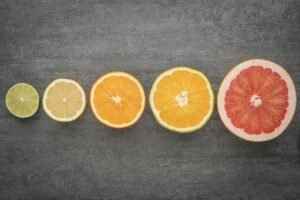
Oranges, apples, carrots, tomatoes and papaya are especially good in keeping the stomach healthy.
If you have diagnosed stomach disease, then best to consume these under a trained naturopath. But otherwise, one can use them as preventive medicine by including them in your daily diet.
- Carrots: best consumed as early morning juice or simply eaten raw. Best to break a fast with , especially if one also suffers from acidity.
- Papaya: best at breakfast, esp. if you are on any schedule of intermittent fasting & have high blood sugar
- Oranges: best in juice form or large quantity of fruit either in the morning or around late noon: 3-5 pm. Breaking your intermittent fast with them each day is very helpful.
- Tomatoes: best consumed raw on an empty stomach. Tomatoes kick a torpid or lethargic liver in addition to working on the stomach making them especially useful for those trying to lose weight or those who are diabetic. Other way is as an addition to juice. Most useful with orange juice. 60% oranges+40% tomatoes make a good stomach juice.
- Apples: If you have a stomach that does not digest protein too well (you feel heavy, or too full or constipated or gassy after protein intake), then eating apples and papaya regularly will help because of their pepsin content. Apple is best consumed standalone as breakfast. If you have have a tendency to drinking too much alcohol , then also 1 apple eat 1 hour before each meal.
Foods that damage the stomach
- Alcohol of any variety is the most harmful for anyone with stomach issues mainly because it can get absorbed straight from the stomach lining without needing to go to the intestine. Just like tea, it harms most when consumed empty stomach. I have all these memories of young Commissioned officers in the Army gorging on slices of butter before a regimental party where serious alcohol drinking was the norm.
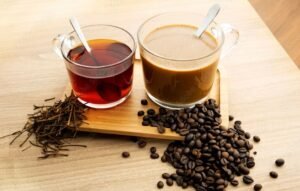
- Tea is alcohol’s second cousin here, followed by coffee. Especially for those with anemia, B-complex deficiencies, tea on an empty stomach is a killer. If one must drink, make sure it has milk and is had after some substantial solid product has been consumed first. One thing to remember while dealing with the stomach is that what goes in first affects lining most. Have something with a little bit of fat: butter/ghee or fibre rich biscuit/roti first and then consume some tea.
- Coffee surprising is the least harmful of the three, except for those with stomach ulcers. With Ulcers, drinking coffee on an empty stomach or black coffee is a killer.A bad stomach can often lead to Anemia. Watch our video on Anemia to understand how this can be treated through Naturopathy.